 Yoga Philosophy & Wisdom
Pranayama: The Art and Science of Yogic Breathing
Jan 06, 2026
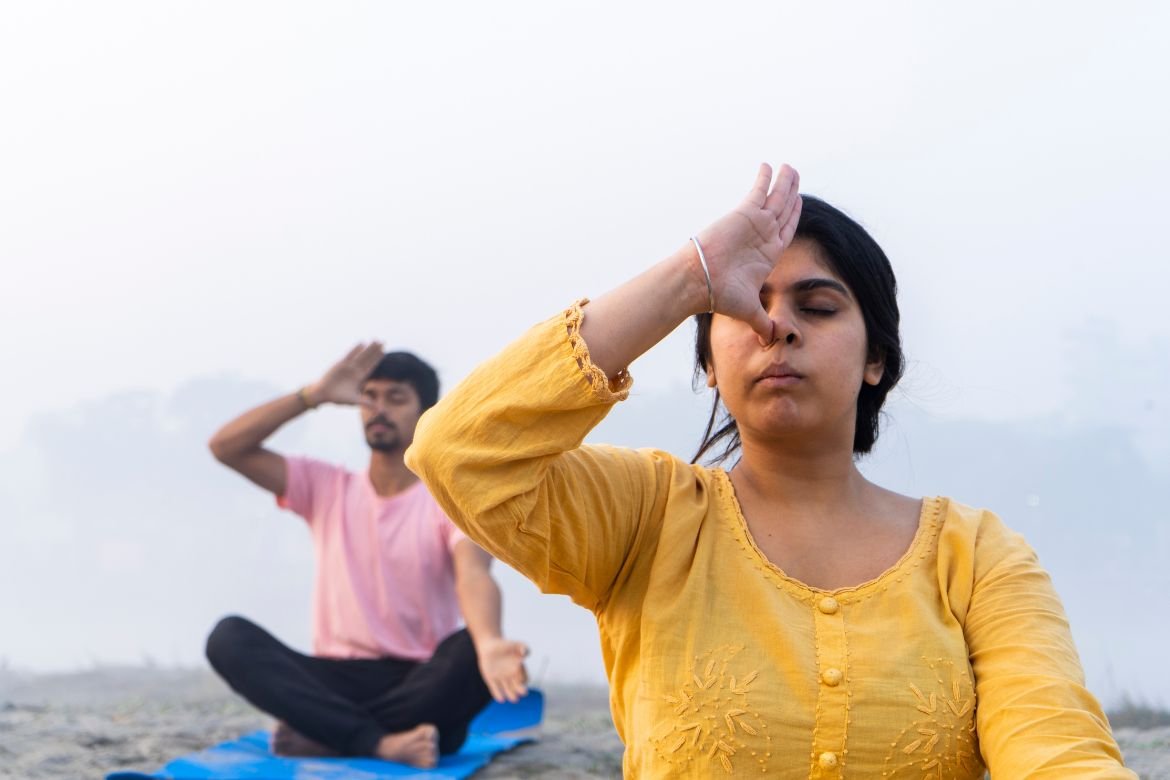
Pranayama is one of the most powerful and transformative practices of yoga. Rooted in ancient yogic wisdom, pranayama is the conscious regulation of breath to influence the flow of prana—the vital life energy that sustains the body, mind, and consciousness. While modern life often reduces breathing to an unconscious and shallow act, pranayama teaches us to breathe with awareness, depth, and purpose.
In today’s fast-paced world, stress, anxiety, and lifestyle-related disorders have become common. Pranayama offers a natural and holistic solution by working directly with the breath, which serves as a bridge between the body and the mind.
What Is Pranayama?
The word Pranayama is derived from two Sanskrit words:
- Prana – life force or vital energy
- Ayama – expansion, control, or regulation
Thus, pranayama means the expansion and regulation of life energy through breath control. It is not merely breathing exercises but a disciplined practice that refines the nervous system and prepares the practitioner for deeper states of meditation.
According to Patanjali’s Yoga Sutras, pranayama is the fourth limb of Ashtanga Yoga, following Yama, Niyama, and Asana. This placement highlights its importance as a bridge between external practices and internal awareness.
Importance of Breath in Yoga
Breath is directly connected to the mind. When the breath is fast and irregular, the mind becomes restless. When the breath is slow and steady, the mind naturally becomes calm. Pranayama works on this principle by consciously slowing, deepening, and balancing the breath.
Unlike involuntary breathing, pranayama involves awareness, rhythm, and control, allowing the practitioner to influence physical health, emotional balance, and mental clarity.
Benefits of Pranayama
Regular practice of pranayama offers wide-ranging benefits for the body and mind:
Physical Benefits
- Improves lung capacity and respiratory health
- Enhances oxygen supply to cells
- Boosts immunity and metabolism
- Supports heart health and blood circulation
Mental and Emotional Benefits
- Reduces stress, anxiety, and depression
- Improves concentration and mental clarity
- Balances emotions and calms the nervous system
- Enhances sleep quality
Spiritual Benefits
- Purifies the energy channels (nadis)
- Prepares the mind for meditation
- Increases self-awareness and inner stillness
- Supports spiritual growth and mindfulness
Major Types of Pranayama
There are many pranayama techniques, each serving a specific purpose. Some of the most commonly practiced ones include:
1. Nadi Shodhana (Alternate Nostril Breathing)
This practice balances the left and right energy channels in the body. It calms the mind, reduces stress, and improves focus.
2. Kapalabhati (Skull Shining Breath)
A cleansing technique involving forceful exhalations. Kapalabhati helps detoxify the body, strengthen abdominal muscles, and improve digestion.
3. Bhastrika (Bellows Breath)
A powerful pranayama that increases energy and vitality. It helps clear the respiratory system and energize the body.
4. Anulom Vilom
Often confused with Nadi Shodhana, this gentle practice focuses on rhythmic breathing and is ideal for beginners.
5. Bhramari (Humming Bee Breath)
Known for its calming effect on the nervous system, Bhramari helps relieve anxiety, anger, and mental tension.
Pranayama and Modern Lifestyle
In modern society, breathing patterns are often affected by stress, poor posture, and sedentary habits. Shallow chest breathing limits oxygen intake and increases fatigue and mental unrest. Pranayama retrains the body to breathe correctly using the diaphragm, promoting relaxation and efficiency.
Even a few minutes of daily pranayama can create noticeable changes in energy levels, mood, and overall well-being. This makes it especially beneficial for students, professionals, and anyone dealing with mental pressure.
How to Practice Pranayama Safely
While pranayama is highly beneficial, it should be practiced with care and awareness.
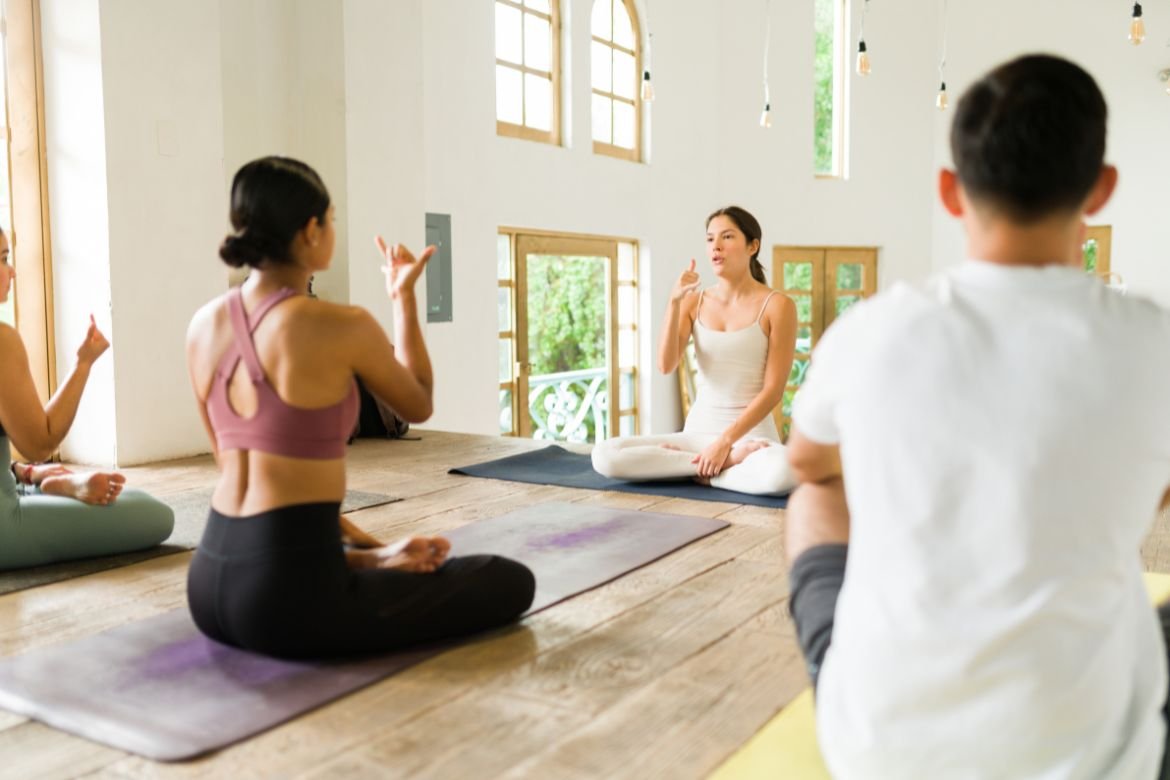
- Practice on an empty stomach or after light digestion
- Sit in a comfortable, stable posture
- Begin slowly and avoid strain
- Focus on smooth, controlled breathing
- Learn advanced practices under the guidance of a qualified teacher
People with medical conditions such as heart problems, high blood pressure, or respiratory disorders should consult a yoga teacher or healthcare professional before practicing certain techniques.
Pranayama as a Path to Inner Balance
Pranayama is more than a health practice—it is a way of aligning the body, breath, and mind. By mastering the breath, one learns to master emotions, reactions, and inner states. Over time, pranayama cultivates patience, awareness, and inner harmony.
In yogic philosophy, breath is considered the carrier of consciousness. When breath becomes subtle and refined, the mind naturally turns inward, opening the door to meditation and self-realization.
Conclusion
Pranayama is a timeless yogic practice that remains deeply relevant in the modern world. Through conscious breathing, it offers a powerful tool for healing, balance, and self-transformation. Whether practiced for physical health, mental clarity, or spiritual growth, pranayama reminds us of a simple yet profound truth: the breath is life itself.
By integrating pranayama into daily life, we learn to slow down, breathe deeply, and live with greater awareness and peace.
Categories
Our Latest Blogs
Yoga Philosophy & Wisdom
 Ayurveda & Yogic Lifestyle
 Yoga Poses (Asana)
 Yoga Teacher Training (TTC)
 Ayurveda & Yogic Lifestyle
 Yoga School in Rishikesh