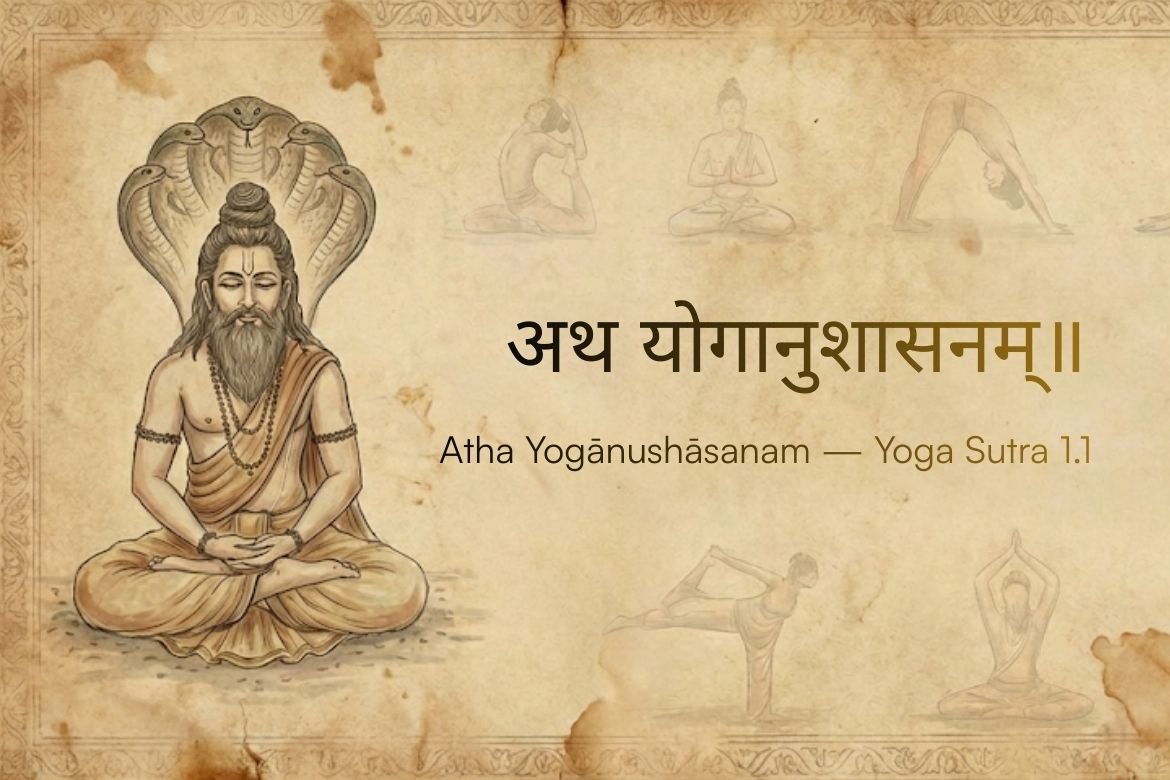
 Yoga Philosophy & Wisdom
Hatha Yoga vs Ashtanga Yoga: Understanding Two Popular Yoga
Jan 04, 2026
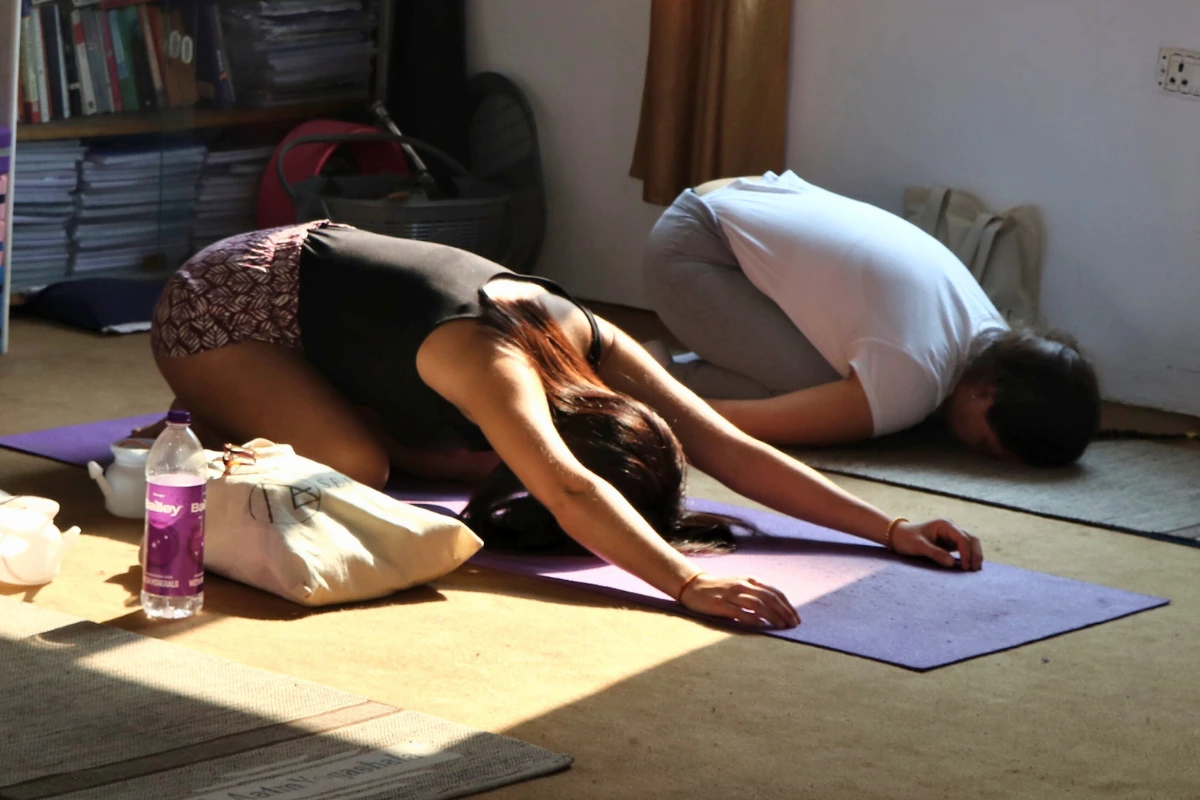
Yoga has been a cornerstone of physical, mental, and spiritual well-being for thousands of years. Among the many styles of yoga practiced today, Hatha Yoga and Ashtanga Yoga are two of the most widely known. Though both offer incredible health benefits, they differ in their approach, structure, and intensity. Let’s explore what each of these yoga styles is all about and how they differ.

What is Hatha Yoga?
Hatha Yoga is a term that encompasses the physical practice of yoga—specifically the postures (asanas) and breathing techniques (pranayama). The word "Hatha" is derived from two Sanskrit words: "Ha" meaning "sun" and "Tha" meaning "moon." Together, they represent the balance between opposing forces—like the sun and the moon, or strength and flexibility.
The Essence of Hatha Yoga
Hatha Yoga focuses on building a strong foundation of physical health, mental clarity, and emotional balance. The primary goal is to harmonize the body and mind, using physical postures and breathing exercises. It is an accessible practice that can be adapted to suit beginners or those looking for a more gentle, restorative yoga experience.
Key Characteristics:
- Slower pace: Hatha Yoga typically involves holding poses for longer periods of time, allowing practitioners to deeply engage with the posture and breath.
- Breath control (Pranayama): Emphasis is placed on breath awareness and control, which helps to calm the mind and release stress.
- Foundational practice: Hatha is often seen as the gateway to other more dynamic styles of yoga, providing a strong base of flexibility, strength, and mindfulness.
Benefits of Hatha Yoga:
- Enhances flexibility, strength, and balance
- Reduces stress and anxiety
- Improves focus and mental clarity
- Supports overall health and well-being
- Suitable for all levels of experience
What is Ashtanga Yoga?
Ashtanga Yoga is a more structured and rigorous style of yoga. The term "Ashtanga" comes from the Sanskrit words "Ashta" meaning "eight" and "Anga" meaning "limbs," referring to the eight-limbed path outlined by the sage Patanjali in the Yoga Sutras. Ashtanga Yoga is a dynamic and physically demanding practice that combines flowing movements, breath, and a series of set sequences of poses.
The Essence of Ashtanga Yoga
Ashtanga Yoga follows a specific sequence of postures that flow together seamlessly with the breath. There are six main series in Ashtanga Yoga, starting with the Primary Series and progressing to more advanced levels. The primary aim is to purify the body and mind through a series of vigorous movements, focusing on breath synchronization (known as Ujjayi pranayama), gaze (Drishti), and bandhas (energy locks).
Key Characteristics:
- Fixed sequences: Unlike Hatha Yoga, Ashtanga Yoga involves a set sequence of postures, practiced in the same order each time.
- Vinyasa flow: Each movement is synchronized with the breath, creating a continuous flow of motion and breath.
- Rigorous and physically demanding: Ashtanga is fast-paced and requires endurance, flexibility, and strength.
- Focus on internal energy: The practice aims to cultivate an internal sense of heat and purification through intense effort.
The 6 Series in Ashtanga Yoga:
- Primary Series (Yoga Chikitsa): Focuses on alignment, flexibility, and building strength.
- Secondary Series (Nadi Shodhana): Focuses on advanced poses and opening the energy channels in the body.
- Advanced Series (Sthira Bhaga): Includes very challenging postures and balances the practice's intensity with flexibility.
Benefits of Ashtanga Yoga:
- Builds strength, flexibility, and stamina
- Improves cardiovascular health
- Enhances mental focus and discipline
- Promotes detoxification through sweat and breath
- Increases body awareness and alignment
How Do Hatha Yoga and Ashtanga Yoga Differ?
Although both styles share the same philosophical roots in yoga, they have distinct differences:
- Pace and Intensity:
- Hatha Yoga: Generally slower and more restorative. Focuses on holding poses and controlling breath.
- Ashtanga Yoga: Faster-paced, dynamic, and more intense, with continuous movement from one posture to the next.
- Sequence of Poses:
- Hatha Yoga: Can vary in sequence, with different teachers offering different flows. More flexible and adaptable.
- Ashtanga Yoga: Follows a fixed series of postures, practiced in the same order each time. This structured approach is integral to the practice.
- Physical Focus:
- Hatha Yoga: Targets balance, flexibility, and strength, often with a focus on relaxation and stress relief.
- Ashtanga Yoga: Emphasizes building endurance, stamina, and power, while maintaining a disciplined and rigorous approach to practice.
- Difficulty Level:
- Hatha Yoga: Suitable for beginners and those looking for a gentler, more accessible practice.
- Ashtanga Yoga: Can be challenging and requires commitment, physical strength, and flexibility. Best suited for individuals who enjoy vigorous exercise.
- Breathing and Mental Focus:
- Hatha Yoga: Breath awareness and mindfulness are central, but there is less emphasis on intensity and speed.
- Ashtanga Yoga: Breath and movement are tightly synchronized, requiring full focus and mental clarity to maintain the flow.
Which Practice is Right for You?
Choosing between Hatha Yoga and Ashtanga Yoga depends on your personal goals, fitness level, and what you are looking to gain from your practice.
- If you’re new to yoga, Hatha Yoga may be the best choice as it is gentle, accessible, and allows you to build a solid foundation.
- If you’re seeking a more physically challenging and dynamic practice, Ashtanga Yoga may be a better fit, as it offers intensity, discipline, and structure.
- If your goal is relaxation and stress relief, Hatha Yoga’s slower pace and focus on breath control will help you feel more grounded and centered.
- If you’re looking for a mental and physical challenge, Ashtanga Yoga’s fast-paced sequences and emphasis on stamina may be just what you need to take your practice to the next level.
Both styles offer a path to greater self-awareness and health. Whichever you choose, remember that yoga is a personal journey. It’s about finding what feels right for you, and both Hatha and Ashtanga offer unique ways to connect with your body and mind.
Conclusion
Whether you choose Hatha Yoga for its balanced, accessible approach or Ashtanga Yoga for its high-intensity flow, both styles provide incredible benefits for your body and mind. They each offer a path to greater health, discipline, and mindfulness, making them excellent additions to any wellness routine.
So, which will you choose? If you’re just starting out, Hatha might be a great entry point. If you’re looking to challenge yourself and deepen your practice, Ashtanga could be the perfect fit.
Whichever path you take, yoga offers a lifetime of discovery, growth, and transformation. 🙏✨
Categories
Our Latest Blogs
Yoga Philosophy & Wisdom
 Pranayama & Breathwork
 Ayurveda & Yogic Lifestyle
 Yoga Poses (Asana)
 Ayurveda & Yogic Lifestyle
 Yoga School in Rishikesh